

Some classic yachts built a century ago are still gracing the seas today, while others launched in recent years have met untimely ends. This article explores “yachts that lasted” – vessels renowned for their longevity – versus “those that didn’t”, examining why some endure for decades (or even centuries) and others falter.
We’ll delve into how top-notch engineering and maintenance contribute to a yacht’s lifespan, share notable examples of each category, and include personal insights to give depth beyond the facts.
Quality and Engineering: The Foundation of Yacht Longevity
The lifespan of a yacht is largely determined at the shipyard. Exceptional build quality and engineering set the stage for whether a vessel will last or languish. Factors include the materials used, the naval architecture, and the builder’s craftsmanship:
Hull Material & Construction: Yachts built with sturdy materials like steel and high-grade alloys tend to survive longer than those of lesser materials. For example, steel-hulled superyachts can have lifespans of 75+ years, far outlasting many fiberglass or wooden yachts. A well-constructed steel or aluminum hull can withstand decades of wear, provided it’s protected from corrosion. (Fiberglass yachts often last 40–60 years or more, but many 100+ year-old survivors are steel or iron hulls.)
Naval Architecture & Design: Quality engineering isn’t just about strength – it’s also about stability and performance. A yacht designed with sound naval architecture will handle rough seas better, putting less strain on the structure. (Think of the deep hulls of classic early-1900s yachts which, despite primitive tech, were overbuilt by today’s standards – many still feel solid underfoot even in chop.) A well-designed yacht also anticipates maintenance needs (easy access to machinery, protective features, etc.), which helps in the long run.
Shipyard Pedigree: Certain shipyards are legendary for quality. Brands like Feadship and Lürssen have reputations for meticulous craftsmanship, using top-grade components and techniques that yield vessels with “good bones.” A yacht built by a renowned yard is more likely to age gracefully, as every seam and engine mount has been executed to high standards. As one expert notes, the best builders share “a dedication to using the best materials possible and proper construction” – a pedigree that lays the groundwork for longevity.
In my experience, when you step aboard a well-engineered yacht, you can feel the difference. The doors still shut with a satisfying clunk, the decks feel sturdy, and even decades-old engines purr like kittens. This kind of lasting quality doesn’t happen by accident – it’s by design. Yacht owners often say that a solidly built vessel becomes “part of the family,” accruing stories over generations instead of ending up as a short-lived experiment.
View The Latest Yachts For Sale
Maintenance and Refit: Caring for a Yacht’s Life
Even the best-built yacht will not survive the test of time without diligent care. Regular maintenance and timely refits are the unsung heroes behind yachts that lasted far beyond the typical lifespan.
“Use it or lose it”: Yachts are complex machines, and letting them sit idle can be as harmful as overuse. Seals dry out, systems corrode, and minor issues grow when a boat is neglected. Seasoned captains advise that routinely using your yacht and maintaining it is important, as proactive care catches problems early. Something as small as re-caulking a seam can prevent a major leak later – in other words, “€10 worth of caulk can save €10,000 in repairs.”
Scheduled Refits and Upgrades: Most yachts that remain operational after many decades have undergone periodic refits. These can include engine overhauls, electrical rewiring, structural repairs, and interior renovations. Far from diminishing a yacht’s authenticity, a well-executed refit extends its life while often preserving its historic character. For instance, the 1902-built Madiz underwent a rigorous three-year refit in the early 2000s to renew her Lloyd’s certification, saving much of her original teak and mahogany in the process. Such investments pay off by keeping the yacht both safe and elegant for future generations.
Skilled Crew & Management: High-end yachts that last usually benefit from attentive crew or dedicated owners. A professional crew will constantly monitor the ship’s systems, keep up with paint and varnish, and ensure that minor issues are fixed before they imperil the vessel. Many long-lived yachts had long-term captains or engineers who knew the ship inside out. Their institutional knowledge can be the difference between a yacht that’s lovingly preserved and one that’s run into the ground.
There’s a personal satisfaction in watching a well-maintained classic yacht glide along – gleaming varnish, smooth-running engines – knowing how much effort goes on behind the scenes. The dedication to bring a nearly century-old vessel up to modern safety standards, while respecting her original craftsmanship, is nothing short of artistry. It’s a reminder that longevity isn’t just about building a yacht right, but taking care of it relentlessly.
Notable Yachts That Stood the Test of Time
Many private luxury yachts have survived far longer than the “average” yacht. Below are several famous yachts that lasted, continuing to sail long after their launch:
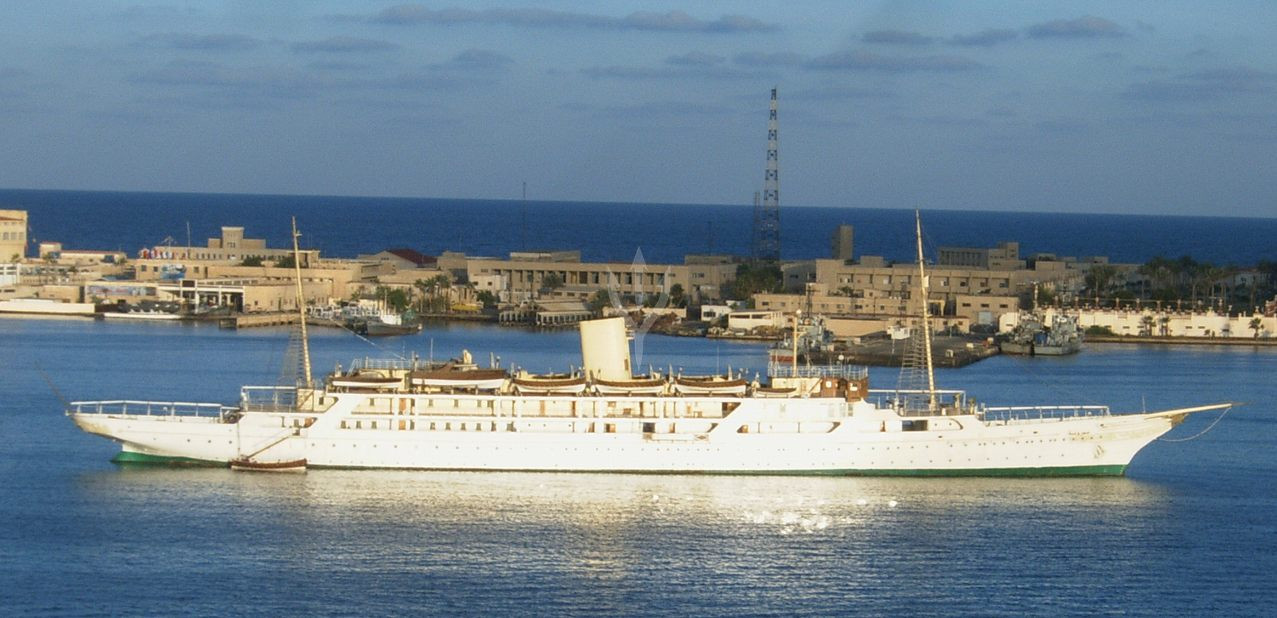
El Mahrousa (launched 1865): The oldest active superyacht in the world. Originally built as the Egyptian royal yacht, she is a 479-foot steel vessel maintained by the Egyptian Navy for over 150 years. Key to her longevity has been continuous updates – her steam engines were converted to turbines and later diesel, and her hull was lengthened multiple times. She still goes to sea for ceremonial occasions, a living testament to 19th-century craftsmanship.
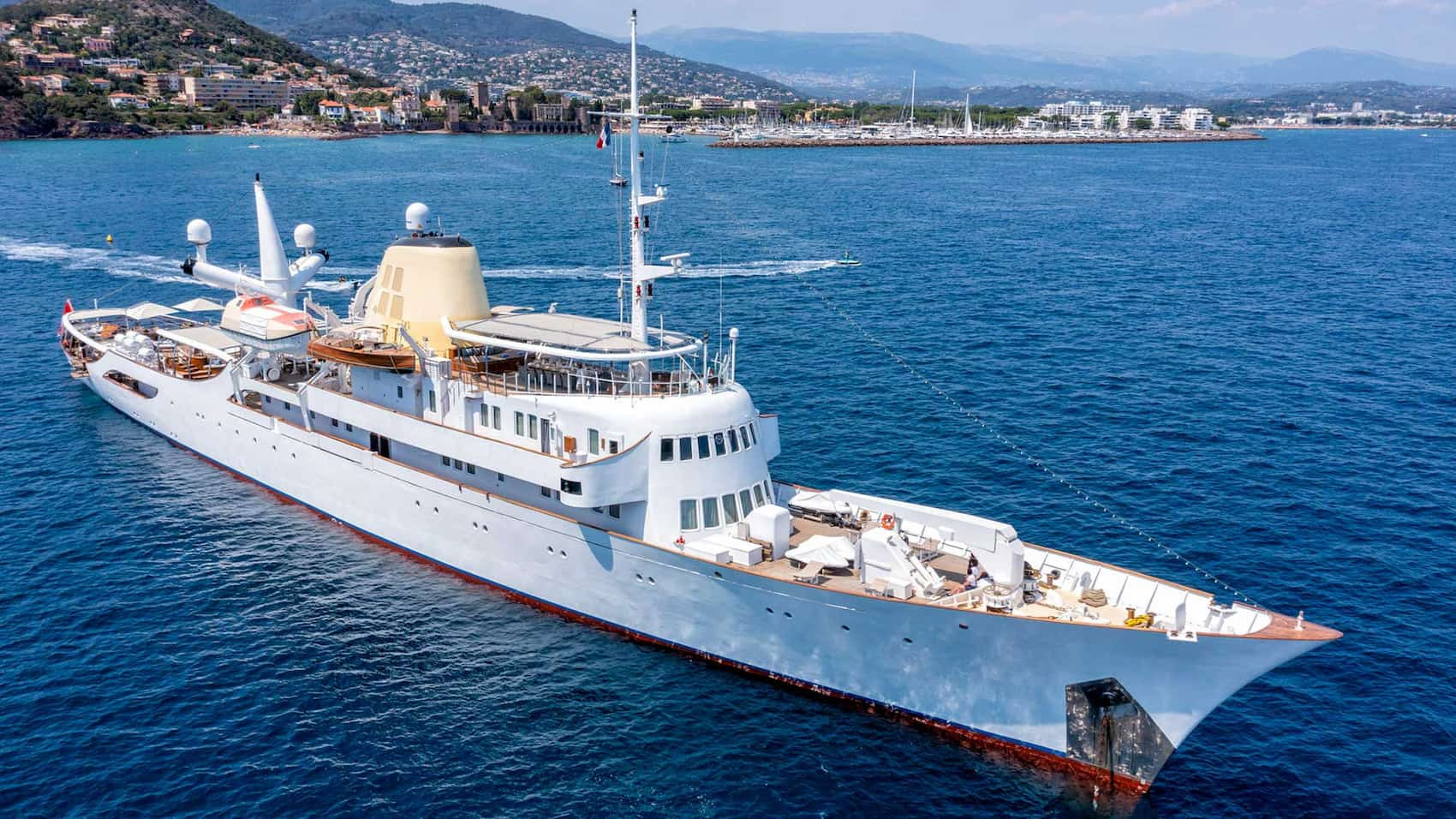
Christina O (launched 1943, refit 1954): Originally a Canadian WWII frigate, she was transformed by Aristotle Onassis into a lavish megayacht. She hosted the elite of her era (Churchill, Marilyn Monroe, JFK) and remains in service as a charter yacht today. By the 1990s, she had deteriorated significantly before a massive 1999 rebuild saved her. Her survival illustrates that with enough passion and investment, even near-derelict yachts can be reborn.
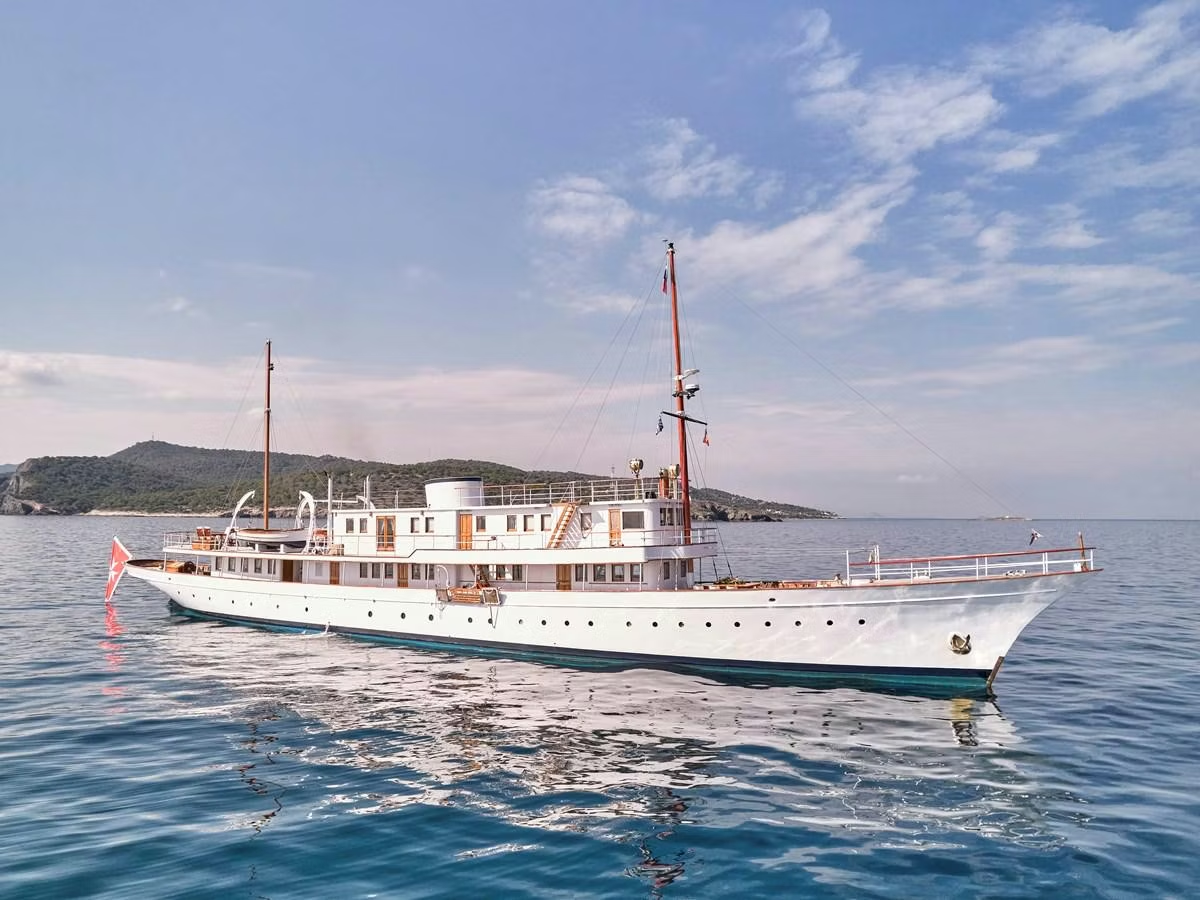
Madiz (launched 1902): Built in Scotland and designed by G.L. Watson, Madiz is an Edwardian-era yacht that still retains an official Lloyd’s class certification. She served as a patrol vessel in both World Wars before returning to private use. In the early 2000s, her owner undertook a comprehensive refit to bring her back up to class standards, proving that quality bones plus restoration can grant a yacht well over a century of life.
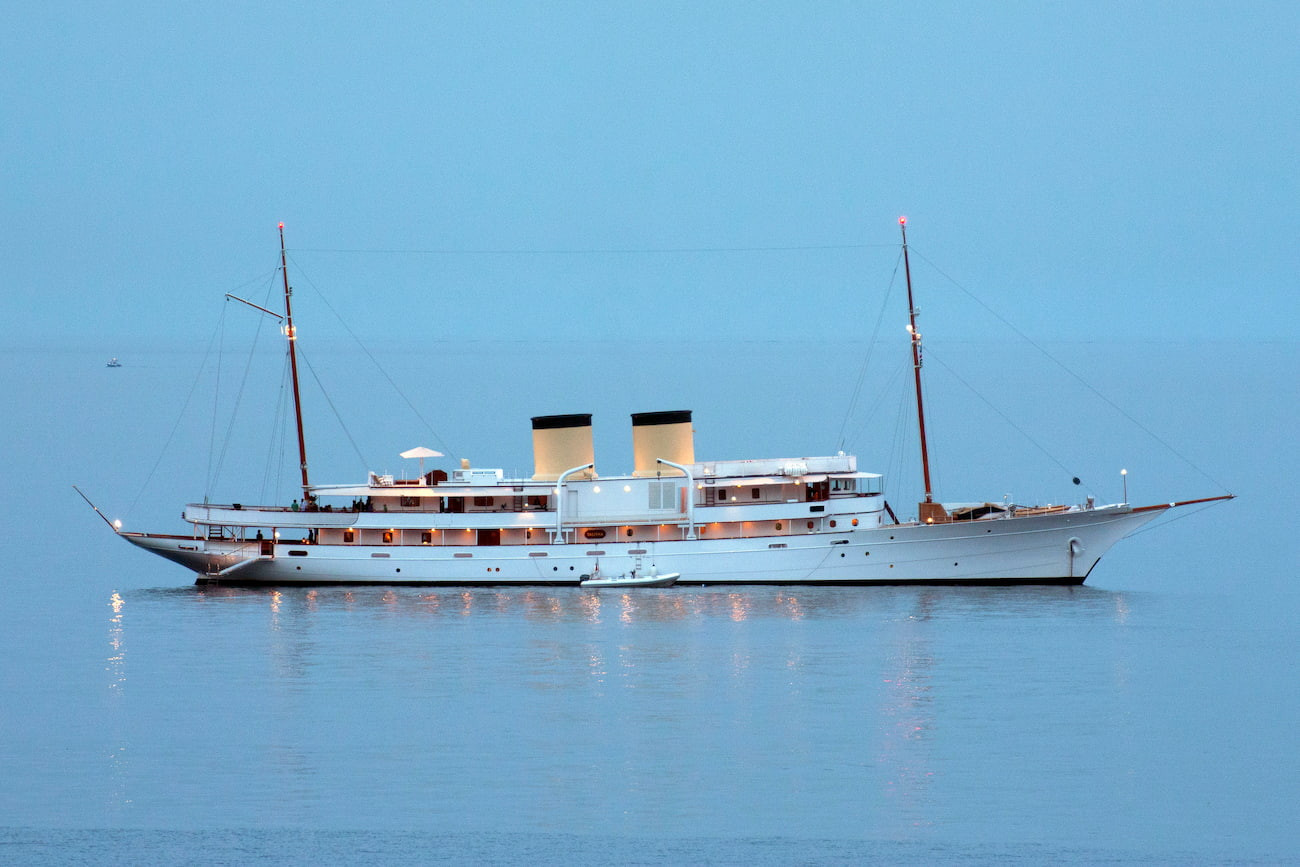
Talitha (launched 1929): Built by the German yard Krupp, this yacht has enjoyed a vibrant second and third life. Owned by the Getty family in modern times, Talitha has benefited from owners with an appreciation for her history. She underwent major restorations in the 1980s and 90s, keeping her faithful to her original elegance. Today she is a popular charter yacht, cruising the Mediterranean with her original engines still humming.
Nahlin (launched 1930): The 300-foot Nahlin spent decades neglected, serving as a floating restaurant in Romania. By the time she was rescued in 1988, she was a decaying hull. What followed was an 11-year rescue mission where she was completely rebuilt. Relaunched around 2010, Nahlin regained her Art Deco splendor, showing that some yachts last by being brought back from the brink of extinction.
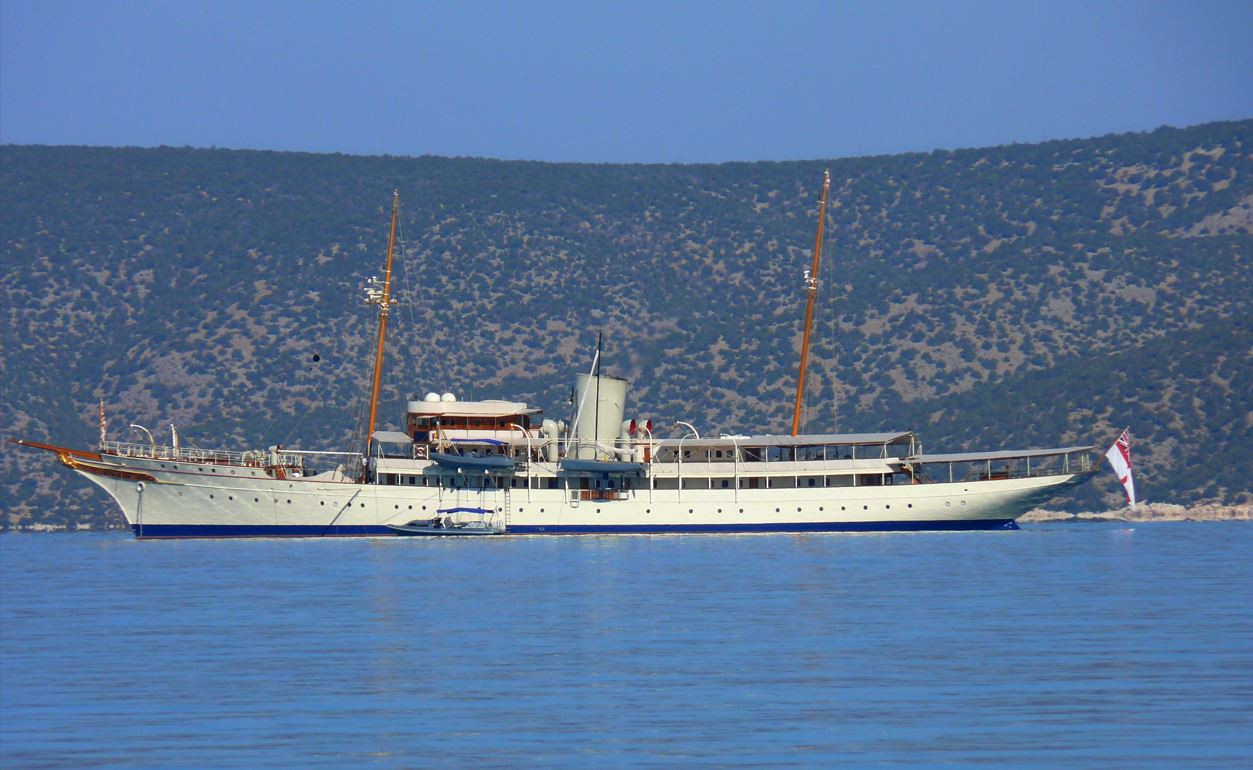
Many of these enduring yachts continue to earn their keep today, operating successfully in the yacht charter market, where regular use and professional management further contribute to their longevity.
View The Latest Yachts For Sale
Cautionary Tales: Yachts That Didn’t Last
On the flip side, not all yachts enjoy long lives. These stories serve as cautionary tales about the importance of quality, maintenance, and respect for the sea:
M/Y Nadine (sank 1997): Known as the real-life “Wolf of Wall Street” yacht, this 37m vessel was lost off Sardinia. Owner Jordan Belfort insisted on sailing through a severe storm. The yacht was battered by 10m+ waves that smashed through hatches and flooded the interior. This tragedy underlines a simple truth: no matter how luxurious, a yacht is never stronger than the ocean’s fury.
M/Y Yogi (sank 2012): When the 60m Yogi was delivered in 2011, she was a modern marvel. Yet less than a year later, this $39 million superyacht sank in the Aegean Sea. Mechanical failure left the yacht unmanageable in heavy seas, compounded by flooding. If a brand-new yacht could go down, the industry realized even the latest engineering must be tested and trusted.
S/Y Bayesian (sank 2024): A state-of-the-art sailing superyacht lost off the coast of Sicily during a sudden, powerful downburst. Within 20 minutes, violent gusts overwhelmed the yacht, causing it to sink rapidly. This is a somber reminder that nature’s extremes can overpower even a well-found yacht, reinforcing the need for failsafe emergency systems.
M/Y 007 (capsized 2022): Originally built at 32m, this yacht was ambitiously stretched to 49m. These modifications introduced serious stability issues. In 2022, after a hull breach, the captain ran the yacht aground to avoid sinking in deep water. It keeled over in shallow water and became a total loss. This shows that pushing a design beyond its engineering limits—bolting on extras without reviews—can spell doom.
Honorable Mentions: The 40m M/Y Kanga caught fire in 2018 shortly after delivery due to an electrical fault. The M/Y Luminosity became a $270 million cautionary tale when it was seized and left idle, falling apart from disuse within just a few years.
For every yacht that stands the test of time, there seems to be another that ends as an artificial reef or a forgotten hulk. These incidents instill a sober respect: whether you’re a yacht owner or an admirer, you learn that no yacht is unsinkable and no design infallible.


